
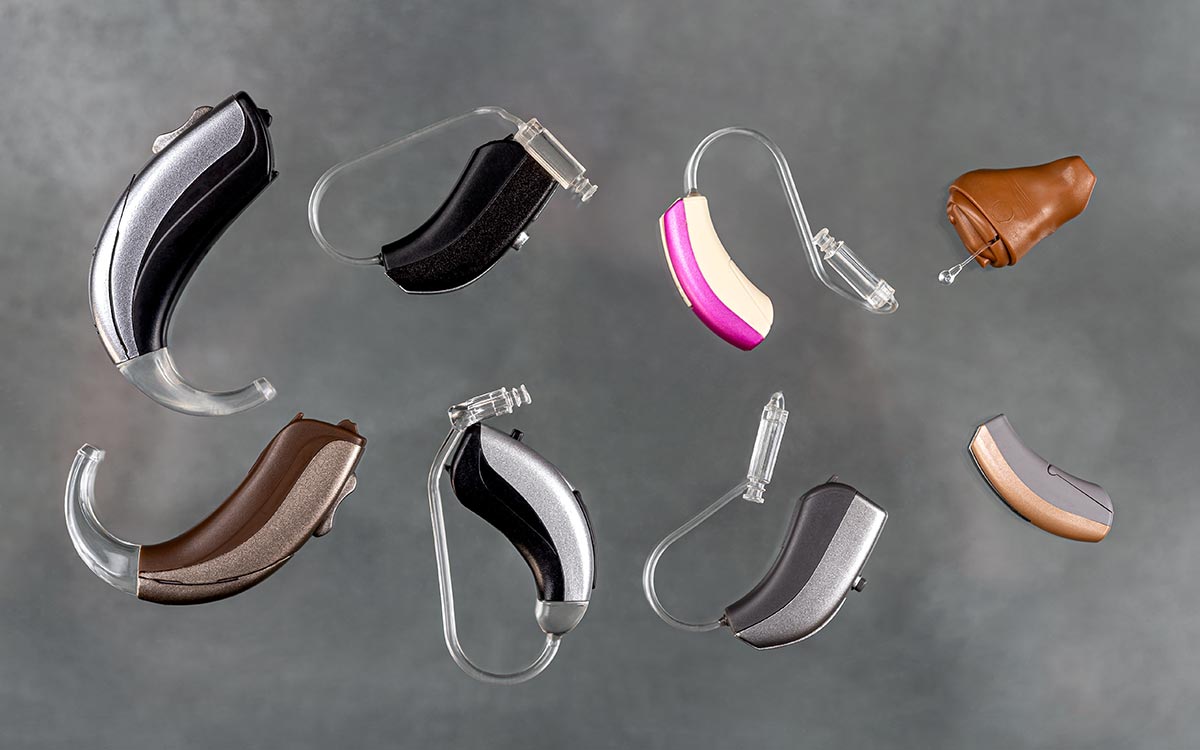
Choosing the right hearing aid can be a daunting task, given the vast array of styles, sizes, and technological features available in modern devices. But regardless of your needs, there’s a hearing solution for every lifestyle, preference, and degree of hearing loss. The key is merely choosing the one that fits you best.
Gaining an accurate picture of common hearing aid categories will empower you to make a wise decision for your hearing health. Today, we’re summarizing the different hearing aid styles and what makes each one unique.
In-the-Canal (ITC) Hearing Aids
The Layout:
These hearing aids are placed partly inside the canal, making them visible only slightly from the outside.
Common Benefits:
- Less apparent than conventional full-size models
- Tailored to the specific shape of your ear
- Suitable for mild to medium hearing loss
Because they offer both discretion and useful features, ITC models are an excellent pick for those new to hearing technology.
Exploring IIC (Invisible-in-Canal) Choices
The Idea:
IIC models are the most miniature custom-fitted auditory solutions you can choose. They are inserted deep within the canal to remain hidden from view.
Why people choose them:
- Offers the most understated design of any hearing aid style
- Provides authentic audio because of where the device sits
- Lightweight and easy
IIC devices are primarily aimed at those with moderate hearing needs who want their technology to remain completely unnoticed.
Full and Half-Shell ITE Options
What they represent:
These models occupy either the complete or bottom half of the outer ear bowl. These are custom-fabricated for a precise fit based on your ear’s anatomy.
The Advantages:
- The larger size makes it possible to include more internal components and longer-lasting batteries
- Simpler to manage for those with dexterity challenges
- Capable of providing enough power for extreme hearing needs while remaining in-the-ear
Many patients prefer ITE devices because they offer a streamlined, self-contained design that doesn’t hook over the ear.
BTE (Behind-the-Ear) Basics
Technical Data:
A BTE hearing aid is placed externally behind the ear for an optimal fit. Audio travels through a specialized tube or custom-fit mold into the ear opening.
Common Reasons:
- Highly flexible and durable
- Can be programmed to assist users with everything from mild to profound loss
- The size provides ample space for the latest connectivity features and rechargeable hardware
The combination of ease of use and strong sound makes BTE aids a top contender for many patients.
Receiver-in-Canal (RIC) Hearing Aids
Mechanical Setup:
In an RIC model, the speaker is separated from the main housing and placed inside the canal via a thin wire.
Why people choose them:
- Very organic sound quality
- Users appreciate the slim profile and comfortable fit for all-day use
- Great for multiple levels of hearing loss
RIC devices are one of today’s most popular styles, thanks to their blend of comfort, aesthetics, and performance.
Extended-Wear Device Details
Introduction:
Extended-wear models are fixed devices that an expert fits into the ear for a duration of several weeks.
Lifestyle Advantages:
- No routine insertion or removal
- Offers an entirely discreet solution for hearing health
- You can move about your entire life—including sports and rest—while wearing them
If you want an auditory solution that requires zero daily thought, the extended-wear style is perfect.
Bluetooth-Enabled Hearing Aids
Tech Details:
Connectivity-focused hearing aids that use radio to integrate with your digital life.
Digital Benefits:
- Send calls, music, and audio directly to the hearing aids
- Allows for quick, discreet adjustments to your hearing aids through digital software
- Enhances everyday life by making technology interaction seamless and clear
Most contemporary RIC, BTE, and ITC hearing aids currently offer a Bluetooth-enabled version.
Surgically Implanted Middle-Ear Solutions
Technical Definition:
This technology requires a surgical procedure to place a device that mechanically stimulates the bones of the middle ear.
Why implants are utilized:
- Choice for people who cannot use traditional hearing aids
- Pleasant option for chronic ear issues related to traditional devices
Middle-ear implants are typically suggested only after a full evaluation by an ENT specialist.
Finding the Hearing Aid That Fits Your Life
Since each hearing aid design has unique strengths, the best choice is based on your specific hearing needs, your daily activities, and your aesthetic goals. By consulting an expert, you can investigate various models and see which one feels most natural to you.
Take the initiative for your hearing health by booking a professional evaluation today. This simple step is the basis for improved hearing and better connections with those around you.
Sources:
https://www.mayoclinic.org/diseases-conditions/hearing-loss/in-depth/hearing-aids/art-
20044116
https://www.hearinglife.com/hearing-aids/types
https://www.nidcd.nih.gov/health/hearing-aids