
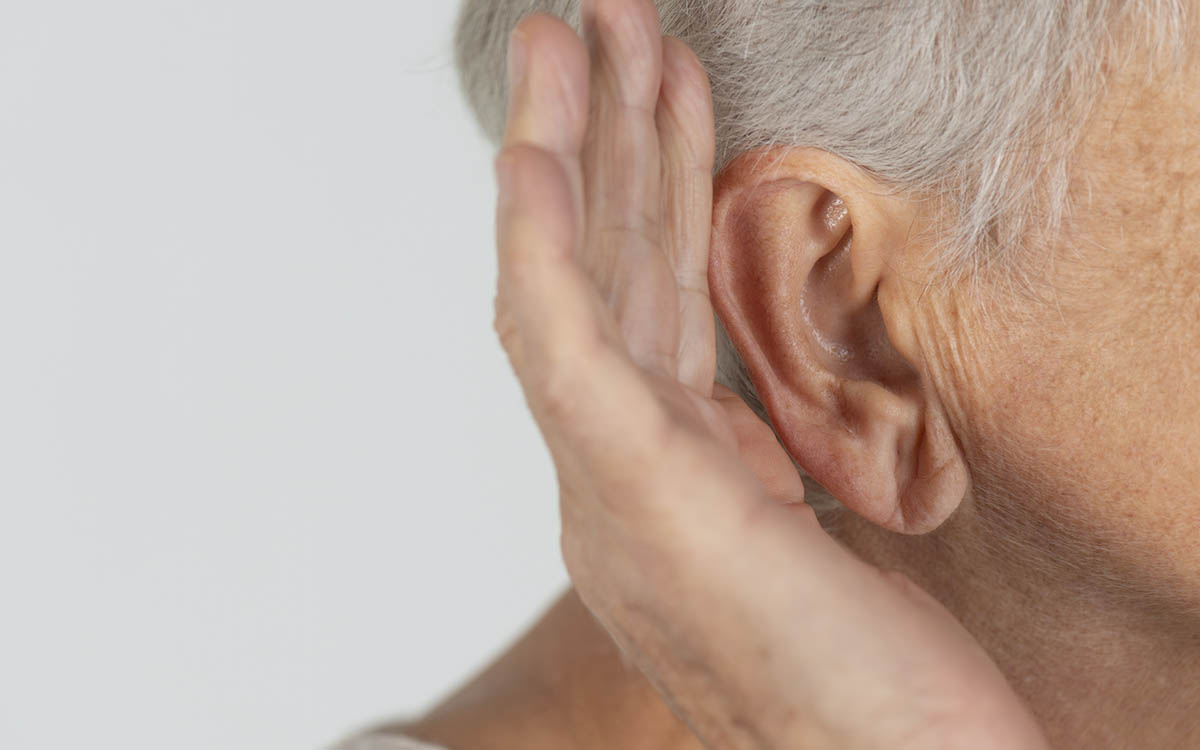
While many individuals correlate hearing loss to senescence, however, for millions in the U.S., auditory trauma initiates much earlier in life. Noise-induced hearing loss is one of the most common and preventable forms of damage to our hearing, escaping notice until it becomes a permanent condition.
An objective understanding of noise-related auditory impact over time can help you protect yourself before major hearing loss develops.
The Clinical Mechanisms of Noise-Related Ear Damage
Noise-induced hearing loss occurs when loud sounds damage the delicate structures inside the inner ear. As reported by the CDC, sustained or frequent exposure to sounds exceeding 85 decibels, such as heavy traffic, can initiate auditory damage. Intense noise sources, specifically firearms or industrial tools, can compromise hearing integrity within a very brief timeframe.
Inside the inner ear are tiny sensory cells called hair cells. These receptors facilitate the conversion of acoustic vibrations into electrical signals decoded by the brain. The inability of hair cells to regenerate after trauma explains why noise-induced hearing loss results in a permanent auditory deficit.
Analyzing the Advancement of Auditory Impairment
The insidious nature of noise-induced hearing loss is highlighted by its gradual developmental timeline. Early exposure may cause symptoms like:
- Occasional instances of Tinnitus, characterized by ringing or buzzing sounds
- Subjective hearing attenuation or muffling after high-decibel events
- Challenges involving speech comprehension within high-noise settings
The cessation of these early symptoms often leads to the false perception that the auditory system has fully healed. Actually, subsequent noise events continue to degrade internal ear structures, incrementally diminishing auditory acuity and threshold sensitivity.
According to the hearing loss Association of America, nearly 48 million citizens live with hearing loss, often without recognizing the contributing factors.
Frequent Acoustic Triggers of Auditory Trauma
The prevalence of loud sounds in daily life often results in a dangerous desensitization to harmful noise levels. As a result, many individuals remain unaware of the clinical prevalence of damaging noise exposure.
Identified hazardous sources may include:
- Live music venues and concerts
- Personal audio devices utilized at excessive decibel levels
- Industrial tools, lawn maintenance equipment, and motorcycles
- Occupational noise exposure within the construction or manufacturing sectors
The everyday occurrence of these sounds allows for progressive damage to develop without obvious warning.
The Critical Role of Preventative Measures
Noise-induced hearing loss is physiologically irreversible, unlike many other health impairments. The condition is, however, susceptible to effective preventative strategies. Risk reduction can be achieved through fundamental protective habits, including:
- The application of earplugs or attenuation earmuffs in loud areas
- Lowering headphone volume and following the “60/60 rule”
- Taking listening breaks to give your ears time to recover
- Scheduling regular hearing evaluations if you’re frequently exposed to loud noise
Triggers for Expert Audiology Consultation
If you notice persistent ear ringing, difficulty following conversations, or changes in hearing clarity, you should seek evaluation from a hearing professional. Early assessment is critical for monitoring, education, and the development of protective strategies to help preserve your hearing.
Protecting your ears today helps ensure clearer hearing tomorrow. Environmental sound may be constant, but the development of hearing loss is not inevitable. We invite you to schedule an appointment with our team to optimize your hearing function.