
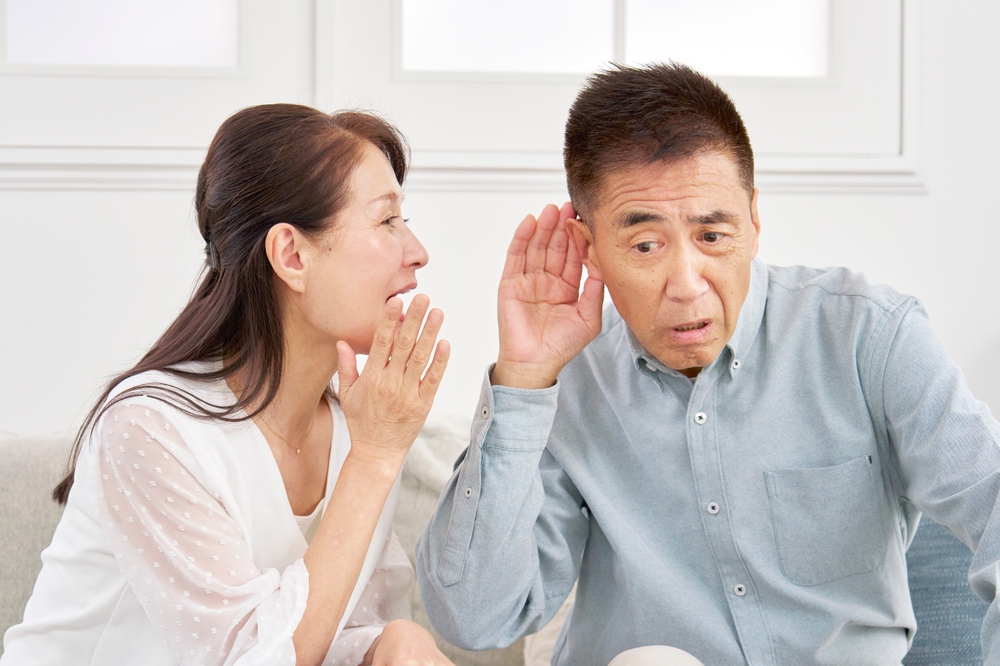
Prevalent myths regarding hearing loss frequently act as a barrier to necessary audiological treatment. Proactive management of hearing loss ensures the best possible outcomes for auditory preservation. Accepting hearing myths as fact typically results in late-stage intervention and diminished communicative function.
Separating hearing truths from common fallacies provides the confidence needed to address auditory changes. Let’s take a closer look at seven hearing loss myths that deserve to be clarified, along with the truths that put them in their place.
The Fallacy of Senior-Only Hearing Loss
While age-related hearing changes are common, hearing loss can occur at any age. Factors such as acoustic trauma, genetic markers, ototoxic drugs, and viral infections trigger hearing issues in youth.
Viewing hearing impairment through an age-restricted lens delays diagnosis for millions of younger individuals.
Myth: Hearing Perception Rules Out Impairment
The presence of hearing loss does not always manifest as total profound deafness. Often, the issue is not a lack of sound but a lack of speech intelligibility in social settings. The space between normal hearing and total impairment is populated by various degrees of clinical challenges.
You might notice difficulty following conversations in noisy environments, frequently asking others to repeat themselves, or feeling mentally exhausted after social interactions. Failing to address these subtle changes can lead to long-term communicative difficulties.
Myth: Auditory Decline is a Low-Stakes Issue
The impact of aural decline reaches into the cognitive and emotional well-being of the patient. Evidence-based research correlates auditory neglect with social anxiety, mental fatigue, and depressive symptoms.
Addressing hearing concerns early helps protect not only your ability to communicate, but also your overall well-being.
Myth: Amplification Devices Accelerate Ear Damage
Some people believe that wearing hearing aids will cause their hearing to deteriorate more quickly, but that is not true.
Digital hearing aids are designed to protect and support the ear, not injure it. Modern tech calibrates sound output to match the specific “gaps” found in your clinical hearing test. Consistent use of hearing aids maintains the neural pathways required for clear sound interpretation.
Modern Hearing Aids: Invisible and Powerful
Recent innovations in hearing science have prioritized both power and miniaturization. Today’s devices are smaller and more powerful than ever. Sleek “Behind-the-Ear” and “In-the-Ear” designs ensure that modern hearing help is virtually undetectable.
Beyond their small profile, these devices feature AI-driven noise cancellation and seamless smartphone integration.
Why Even Mild Hearing Impairment Requires Attention
A “mild” diagnosis still carries the risk of social isolation and increased mental effort. Early treatment helps prevent listening fatigue and reduces the strain placed on the brain during conversations.
Patients who pursue early help experience a much smoother transition to using hearing technology.
Why OTC Devices Often Fall Short of Clinical Needs
Store-bought devices provide “blanket” amplification rather than the targeted help your ears likely need. Professional diagnostics ensure your hearing solution is “tuned” to your specific environment and biology.
Individualized care ensures your device feels natural while providing crystal-clear sound quality.
Your Path to Clarity: Rejecting Common Hearing Fallacies
Auditory shifts can be daunting, leading many to avoid the clinic through a “denial” response. Accepting myths as truth leads to a longer road to recovery and more significant brain strain. You’ll find that a hearing screening is a comfortable and highly enlightening clinical experience.
Should you perceive even minor shifts in your auditory acuity, a baseline exam is your most critical move. Intervening early is a proven strategy for maintaining a high standard of living through better hearing.
For more information or to book your next hearing test, please contact our clinic today. Our team is available for appointments: Call us today to protect your hearing.