
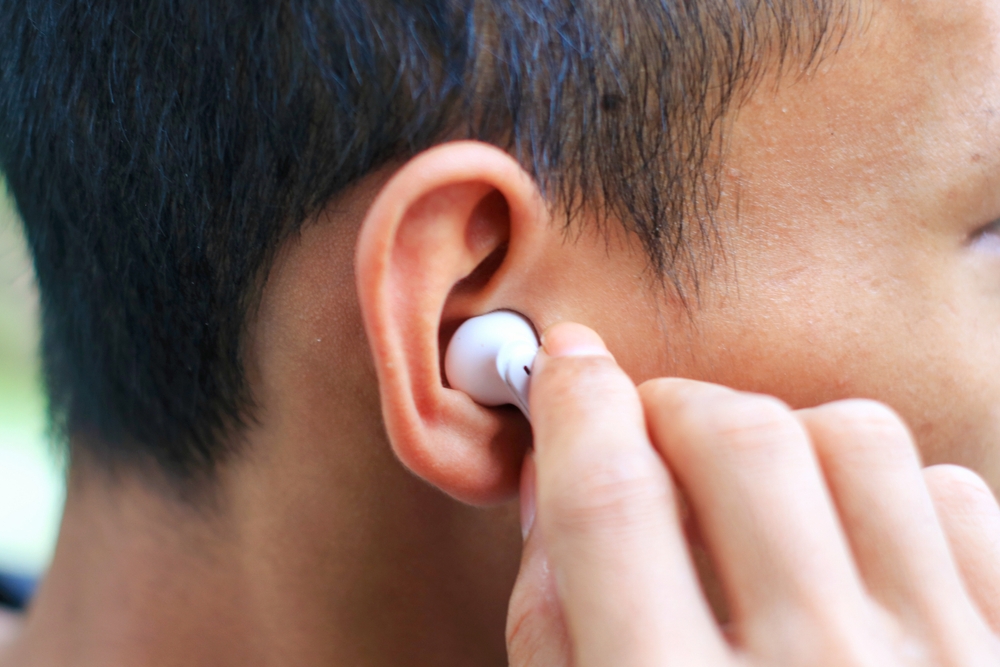
Rarely do we see a young adult in public without an earbud in their ears. While traditional headphones are more substantial in size, adolescents frequently utilize them to create a private acoustic environment. We all enjoy listening to music, no matter our age, but younger people rely on music to pass the time. Does the immediate physical closeness of these transducers to our ears result in measurable hearing loss? Ultimately, hearing health depends on the management of volume and duration rather than the device category.
Too Much of a Good Thing
Listening to music can be relaxing, soothe our souls, or wind us up. Much depends on the rhythm and volume of the content being consumed. Personal audio tech provides a convenient way to consume media without infringing on the silence of those nearby. This is a widely appreciated social habit that helps maintain a respectful atmosphere in shared transport settings.
The essential inquiry remains: at what decibel level and timeframe does listening become dangerous? The truth is, loud noise in general is damaging to your ears and your hearing. Sustained exposure to extreme volumes can result in irreversible trauma to the auditory nerve. Since hearing shifts occur incrementally, the window for prevention has often closed by the time a patient seeks help.
Identifying the Critical Risks of Personal Audio
High volume stands as the most significant threat to the preservation of hearing sensitivity. Yet, we must remember that the length of time spent listening is equally important as the decibel level.
- According to the NIH, maintaining a threshold below 70 dB ensures safety, even during extended listening periods.
- Louder noises will cause hearing damage faster than quieter sounds.
- Follow the 60/60 rule. Keep the volume under 60%, and avoid using them longer than 60 minutes at a time.
- Ensuring long-term hearing health requires a proactive reduction in volume and strict limits on listening time.
Indicators That You May Need a Hearing Evaluation
If you commonly hear muffled sounds, find it difficult to understand conversations in noisy places, have ringing in your ears (tinnitus), and frequently ask people to repeat what they said or to speak louder, it’s time to have a hearing exam with a professional.
Schedule an appointment with our specialists if you believe your auditory health has been compromised.