
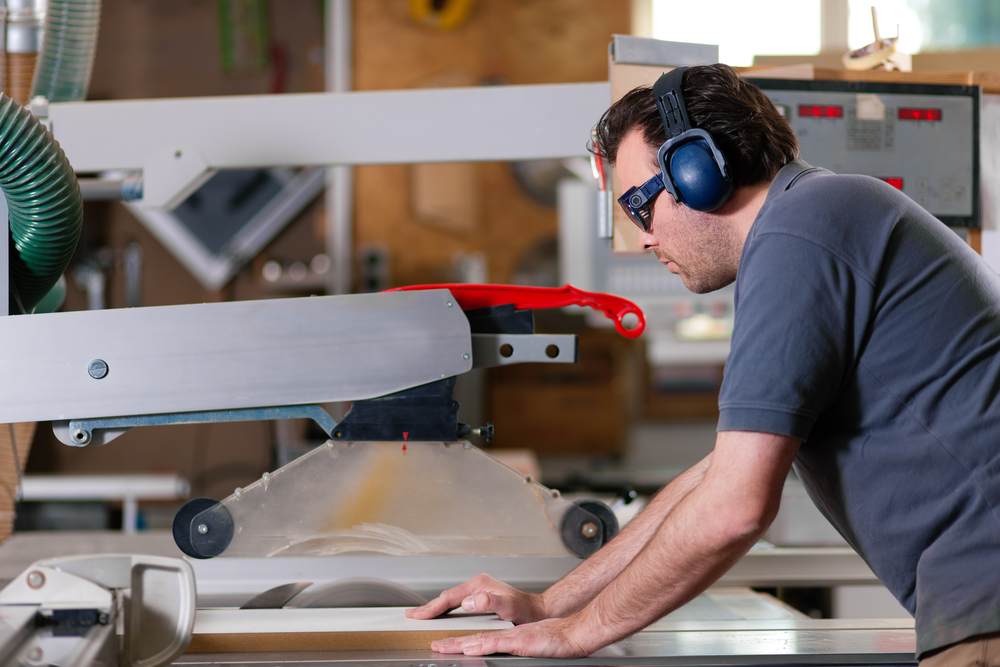
Your hearing health can be seriously affected by sustained noise exposure, chiefly in environments where noise intensity is greater than safe limits. Protecting your ears is essential—not only for avoiding tinnitus or hearing loss but also for preserving focus in noisy settings. What is the best way to choose the degree of hearing protection that is optimal for you?
How noise levels influence your hearing
The effects of noise exposure aren’t just about loudness but also the period of exposure. The primary measurement for gauging noise levels is decibels, a unit used to express sound intensity. Sounds at 85 dB and up may lead to hearing damage, particularly when exposure is continuous.
To provide a comparison, 85 dB is equal to the sound of urban traffic when heard from inside a vehicle. Even though this might not sound overly intense, eight hours of continuous exposure at this level can cause the onset of damage to your hearing. The safe duration of exposure becomes shorter when the sound is more intense:
- 90 dB (Lawnmower): Up to 4 hours of exposure can be harmful.
- Exposure to 100 dB (Power tools) must be restricted to a maximum of 60 minutes.
- At 110 dB (Leaf blower), damage can be caused in as little as 15 minutes of exposure.
- 120 dB (Rock concert): Any exposure at this level can damage your hearing.
- Immediate pain and damage are possible at 140 dB (Jet engine).
Pinpointing noise levels that cause harm
If you are frequently around noise at 85 dB or higher, hearing protection becomes an essential requirement. This is chiefly true in workplaces like construction sites, manufacturing plants, or any environment where machinery, devices, or gear produce too much noise.
Even outside of the job, there are instances where hearing protection can be useful—attending shows, using leaf blowers, or engaging in recreational shooting sports are all pastimes that can expose you to unsafe noise levels.
Using NRR to choose the ideal hearing protection
The Noise Reduction Rating (NRR) is the standard metric used to gauge how well hearing protection works. Quantified in decibels, this figure indicates the level of sound reduction the protector offers. The higher the NRR, the superior the protection against sound. For example, earplugs with an NRR of 30 dB can lower an 85 dB noise level to 55 dB, maintaining you comfortably within safe exposure limits.
To make a good selection, you should assess the specific noise intensity you are exposed to and confirm the device provides the required blockage to keep the volume below 85 dB.
Consistency hinges on comfort: why it’s so crucial
Although the NRR is crucial, comfort is equally significant for guaranteeing that the protection will be worn consistently over time. You might be tempted to take off the protection if it is ill-fitting or awkward, thereby subjecting your ears to damaging sound.
Choosing comfortable hearing protection results in consistent wear, thus decreasing the threat that you will be exposed to noise periodically. If, for instance, earmuffs feel uncomfortable or are too heavy, you are inclined to take them off occasionally, resulting in hazardous noise exposure.
The main categories of hearing protection equipment
Hearing protection is available in various types, each with its benefits and cons:
- Offering superior noise reduction, Foam Earplugs are placed inside the ear canal. While they are lightweight and disposable, some wearers may experience discomfort.
- Pre-Molded Earplugs: These rest just outside the ear canal and are reusable, making them a more sustainable option. They’re easier to insert and remove compared to foam earplugs.
- Enclosing the whole ear, Earmuffs are perfect for settings where noise volume changes, as they can be easily removed and replaced. Their drawbacks include potentially feeling warm or heavy over a long period.
Choosing the correct type is based on your comfort and the needs of your environment. By way of example, a construction worker might select earmuffs for their convenience, while someone working in a factory may prefer earplugs for continuous use.
Committing to constant hearing protection wear
The best hearing protection is always the unit that you continuously wear. Interrupting the use, even for a short time, may have lasting effects for your hearing. Consequently, it is necessary to find a product that offers the perfect balance of protection, comfort, and convenience.
When hearing protection is neglected, the condition may progress into significant hearing impairment. The evaluation process should begin with a comprehensive hearing test, followed by the appropriate hearing aid if needed.
Protect your hearing for the long haul
While noise is ever present in our daily lives, using the correct hearing protection allows you to shield your ears and continue to appreciate the sounds of the world.
Reach out to us today to talk about your risk of noise-related hearing loss and how to most effectively protect your hearing health.