
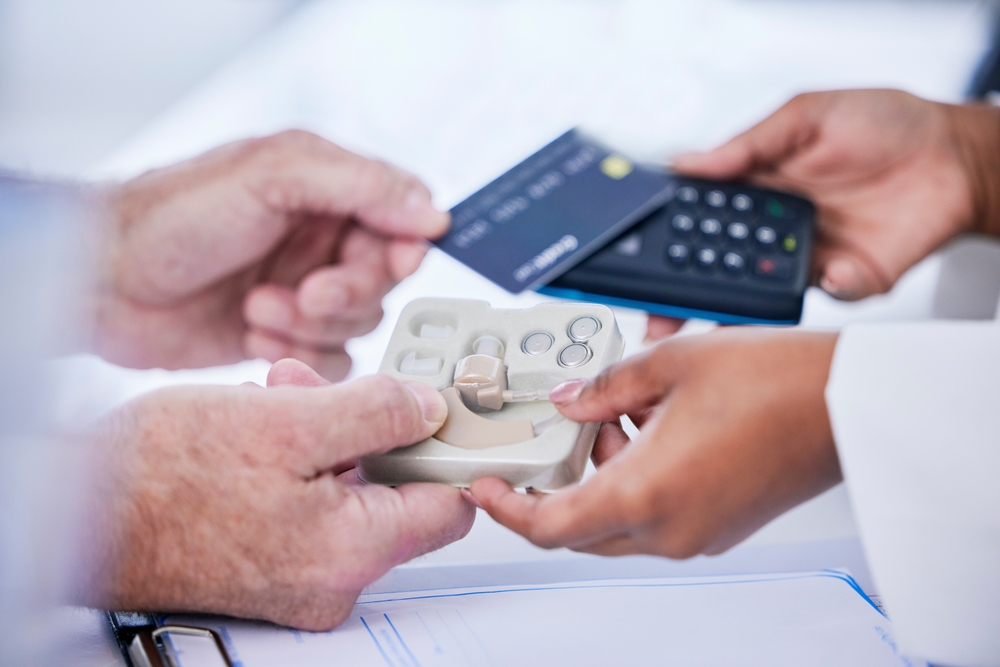
Patients researching therapeutic sound amplification often find that the initial acquisition expense stands out immediately. Based on the sophistication of the digital signal processing and the required audiometric programming, these devices span a wide pricing spectrum. Such a capital requirement often surprises families, leading them to prematurely halt their pursuit of better auditory health.
Although the retail price is substantial, alternative funding mechanisms change the clinical landscape. A high percentage of candidates remain unaware that retail pricing is seldom the final out-of-pocket obligation. By leveraging private insurance benefits, tax-advantaged health funds, and structural payment programs, the net cost can be minimized.
This guide walks you through the most common options so you can understand what’s available before you go into an appointment and, hopefully, feel more confident about the investment in your hearing health.
Maximizing Private and Employer Insurance Benefits for Acoustic Devices
Before expecting to finance the entire purchase independently, verify your existing medical coverage parameters.
For individuals holding commercial or corporate group health policies, benefit structures for otologic devices are highly inconsistent. Certain contracts provide percentage-based co-insurance, whereas alternative policies offer a rigid monetary stipend. In contrast, certain insurance products offer zero provision for auditory assistive devices. To verify your specific criteria, contact your insurer’s benefit coordinator to investigate your direct coverage rules. Be sure to also ask about coverage limits, whether fittings are included, and which providers are in-network.
It is a critical policy rule that standard Medicare Part A and Part B provide no financial support for hearing hardware. Fortunately, choice Medicare Part C programs fill this gap by providing an annual allowance or discounted device network.
For those on Medicaid, coverage depends on where you live. Certain jurisdictions offer full or partial device funding for qualified applicants, which your clinic can help verify.
Tax-Advantaged Financing: Utilizing HSA and FSA Funds for Hearing Care
Possessing an HSA or an FSA equips the patient with a highly efficient asset for absorbing device costs.
These clinical instruments meet the legal definitions for qualified medical expenses, authorizing the use of untaxed income. That alone can make a big difference. As a case in point, combining a $2,000 equipment cost with a 22% tax bracket yields a net savings of several hundred dollars. It is vital to distinguish between persistent HSA balances and time-delimited FSA funds that vanish at year-end. This structural timeline makes it imperative to exhaust expiring corporate flex funds before the termination date! Both custom-programmed medical devices and eligible over-the-counter options are valid selections, making a baseline balance check highly prudent.
Utilizing Patient Financing Programs to Defer Auditory Technology Costs
To avoid a single large capital outflow, medical practices frequently offer specialized patient installment plans. Managed through medical financing leaders like CareCredit, these structures frequently supply zero-interest terms to qualified applicants. That means you don’t have to choose a lower-quality device just to keep costs down in the short term.
Addressing installment options is a commonplace component of the overall treatment plan development. Patients experiencing financial hesitation should openly review these parameters during their diagnostic evaluation. Remember, there’s a reason all these options exist! Ultimately, accessing essential medical technology to preserve communication should remain accessible without risking economic duress.
Veterans: Your Hearing Benefits May Be Greater Than You Think
Because acoustic injury is statistically ubiquitous among military personnel, the VA provides extensive audiology benefit frameworks.
Those with verified eligibility can obtain top-tier otologic hardware with no out-of-pocket exposure via the VA health network. Even in the absence of an official service-connected disability rating for hearing, overall VA priority grouping may grant access. If you have not yet audited your federal benefits, contacting a regional VA officer or requesting help from your clinic is a valuable next step.
Civic and Non-Governmental Resources for Affording Hearing Technology
Nonprofit and community-based programs can help make hearing aids more affordable. National and global entities such as the Starkey Hearing Foundation and Lions Club International provide hardware grants to eligible candidates. Various regional government offices maintain independent funds to supply assistive devices to citizens meeting specific income criteria.
Though administrative processing times and qualification reviews apply, these non-profit options provide crucial lifelines for the under-insured. You can check online with most of these organizations to see if you qualify, or at least get the conversation started.
Analyzing Over-the-Counter (OTC) Hearing Options Versus Prescription Systems
Over-the-counter (OTC) hearing products represent an entry-level financial tier, generally priced between $200 and $1,000 for a dual-device configuration. These non-prescription units are legally cleared to assist adult individuals exhibiting self-perceived mild-to-moderate situational hearing deficits.
However, without a professional fitting, many people don’t get the results they’re hoping for. In cases of advanced sensory impairment, prescription hardware calibrated to a precise audiogram is mandatory for successful rehabilitation.
Before choosing OTC purely for cost reasons, it’s worth getting a hearing evaluation to ensure what will actually work for you. Retail devices function adequately as a temporary placeholder while awaiting insurance pre-authorization or institutional grant approvals. While superior to untreated deficits, these entry-level systems are rarely sustainable long-term answers for progressive presbycusis.
A Collaborative Approach to Affordable Hearing Care and Device Selection
Our clinical team specializes in managing financial procurement and insurance coordination on a daily basis. The available matrix of alternative funding mechanisms is frequently broader than patients anticipate.
Bring your insurance information to your appointment, and we’ll walk you through what’s available, what’s covered, and how to make it work for your budget. Reach out to our administrative staff now to reserve your diagnostic evaluation and begin your hearing assessment. We’re happy to help you find a solution for hearing aid costs that feels manageable.