
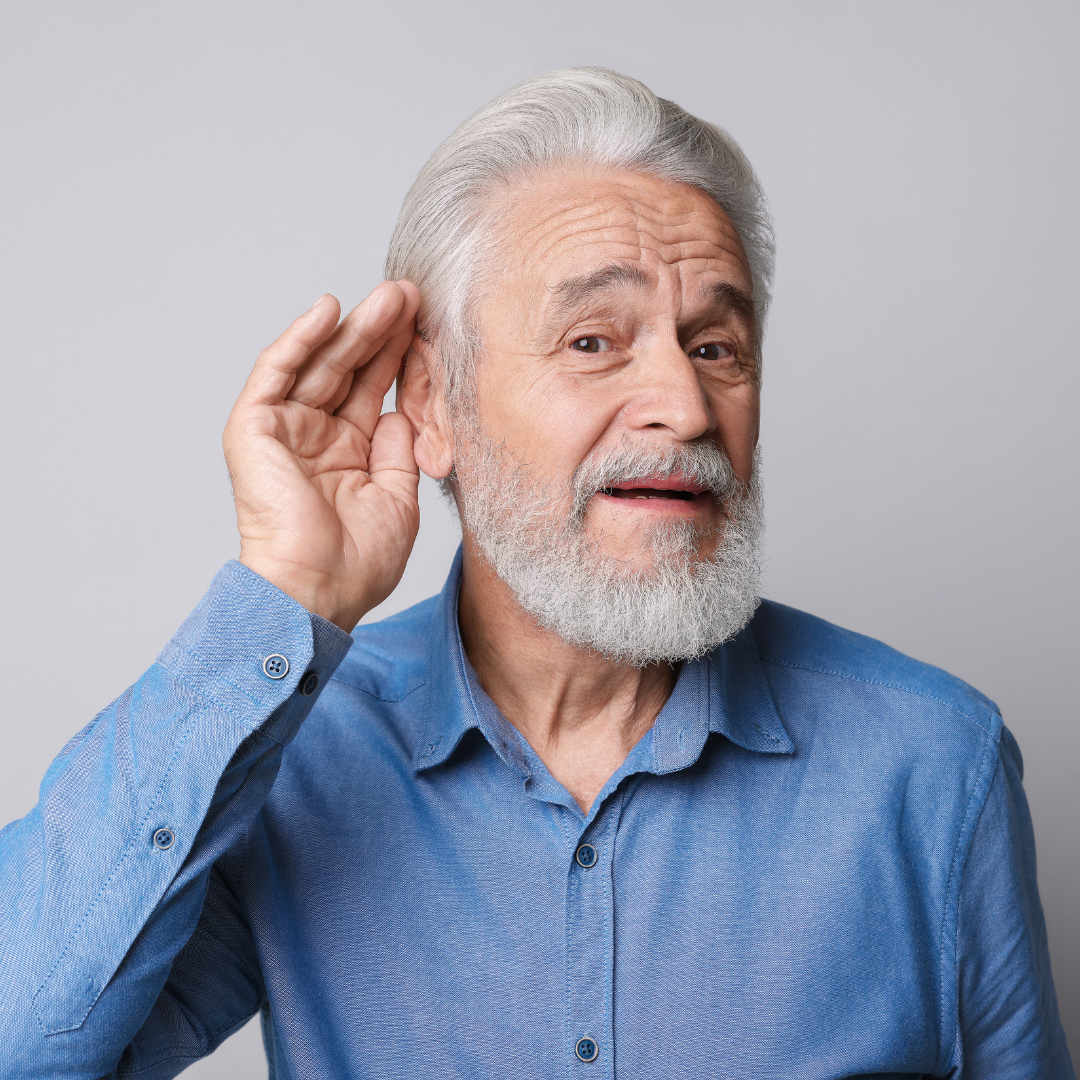
A rapid drop in hearing in one ear can cause immediate fear and leave patients confused regarding the appropriate next steps. Our audiology clinic offers prompt diagnostic hearing testing and coordinates emergency medical evaluations whenever sudden hearing changes develop. A sudden hearing loss always warrants immediate assessment by a hearing specialist to evaluate therapeutic options or personalized rehabilitation.
Why Sudden Unilateral Hearing Loss Is a Clinical Emergency
Indeed it is. Experiencing sudden hearing loss on one side constitutes a clinical emergency, especially when the drop happens over hours or a couple of days. Known medically as sudden sensorineural hearing loss or sudden deafness, this emergency involves the sensory labyrinth or central auditory neural pathways. Because it rarely causes localized otalgia, individuals frequently misinterpret the sudden loss as middle-ear congestion or a cerumen plug.
Typical warning signs include:
- A sudden decline in unilateral sound perception or vocal intelligibility
- Difficulty hearing through one ear during a phone call
- A physical popping sensation or localized ear pressure immediately prior to the hearing drop
- New ringing, buzzing, or roaring in the affected ear
- Onset of rotational vertigo, postural instability, or general disequilibrium
You should never delay care in hopes that auditory function will resolve spontaneously. Seek same-day diagnostic guidance from our practice, an urgent care physician, or an otolaryngology specialist.
Timing and Prognosis: Why Immediate Care for Sudden Hearing Loss Is Vital
Early evaluation matters because treatment for sudden sensorineural hearing loss is generally most useful when it begins promptly. Our immediate task involves verifying whether the impairment is conductive due to wax or middle-ear effusion, or sensorineural originating within the sensory organ or auditory nerve. These conditions can feel similar but require different care.
Performing physical otoscopy alongside a diagnostic hearing test confirms the exact classification, frequency configuration, and decibel severity of the hearing loss.
Seek emergency care immediately if sudden hearing loss occurs with:
- Acute facial nerve weakness, asymmetrical drooping, or numbness
- Speech slurring, expressive language difficulty, mental confusion, or an acute severe headache
- Unexplained diplopia, syncopal episodes, or severe physical difficulty walking
- Severe chest pain, shortness of breath, or critical emergency symptoms
These red-flag manifestations often signify a life-threatening neurological or cerebrovascular crisis requiring emergency hospital care rather than an outpatient visit.
What Causes Sudden Deafness in One Ear?
In a large majority of sudden sensorineural hearing loss cases, diagnostic testing reveals no identifiable definitive etiology. When diagnostic testing isolates a specific trigger, it generally involves cochlear inflammation, physical trauma, compromised vascular perfusion, autoimmune dysfunction, or neural pathology.
Common clinical factors include:
- Viral or bacterial infections
- Concussive physical head trauma or sudden high-decibel acoustic trauma
- Diagnosed autoimmune disorders affecting the inner ear sensory systems
- Administration of potentially ototoxic pharmaceutical agents
- Localized microvascular occlusions or compromised blood circulation
- Chronic vestibular conditions including active Ménière’s disease
- Neurodegenerative or demyelinating disorders such as multiple sclerosis
- A growth on the hearing and balance nerve
Given that subjective symptoms cannot distinguish between these conditions, rapid clinical evaluation and audiologic testing are vital.
Clinical Treatment Protocols for Sudden Sensorineural Hearing Loss
Clinical administration of corticosteroids remains the leading therapeutic approach for idiopathic sudden sensorineural hearing loss. These medications may be prescribed orally or delivered through intratympanic injections across the tympanic membrane to access inner ear fluids directly. Clinical treatment pathways are determined by our specialists based upon presentation timing, loss magnitude, underlying health status, active prescriptions, and risk factors.
Medical evidence supports initiating steroid treatment within the first two weeks, underscoring the necessity of immediate clinical intervention. Targeted intratympanic steroid injections are often indicated as salvage therapy when oral regimens fail to provide full auditory restoration. In selected cases, a physician may discuss hyperbaric oxygen therapy combined with steroids.
Can Sudden Unilateral Hearing Loss Resolve Spontaneously?
Patients with sudden sensorineural hearing loss can sometimes experience spontaneous recovery without clinical intervention. Literature indicates that approximately 50 percent of patients recover some or all hearing spontaneously, frequently within the first one to two weeks. However, modern medicine possesses no validated mechanism to determine early on which individuals will recover, what volume of sound will return, or if gains will endure.
Anticipating spontaneous recovery is not a justifiable clinical rationale for postponing prompt care. The efficacy of medical therapy in reversing permanent sensorineural loss drops dramatically when initiated weeks later, meaning hesitation can permanently close the therapeutic window. Auditory outcomes differ substantially among patients, ranging from full recovery to partial or minimal improvement.
What Happens If Sudden Sensorineural Hearing Loss Fails to Improve?
If the affected ear does not regain full function, subsequent steps hinge on residual hearing levels, word-recognition clarity, and the exclusion of structural pathology. We often coordinate a contrast-enhanced MRI study or an auditory brainstem response test to evaluate the vestibulocochlear nerve pathway.
Advanced long-term management strategies feature:
- Fitting a traditional hearing aid whenever the affected ear possesses aidable hearing capacity
- A Contralateral Routing of Signals (CROS) hearing system that wirelessly routes sound from the non-functional side to the healthy ear
- A bone-conduction device for appropriate candidates
- A cochlear implant evaluation for patients presenting with profound single-sided deafness
- Remote microphones and assistive listening tools configured for complex occupational, educational, or personal environments
Audiologic rehabilitation can also address listening fatigue, sound localization, and communication difficulties. Selecting the optimal management path relies upon comprehensive audiometric outcomes, vocational needs, medical profile, and personal priorities.
Book an Immediate Diagnostic Hearing Evaluation
If your hearing changed suddenly today or within the past few days, seek same-day medical guidance rather than waiting for a routine visit. We provide immediate diagnostic hearing evaluations, analyze bilateral auditory thresholds, review symptom chronology, and collaborate with an ear, nose, and throat specialist or medical provider.
Call or message our practice immediately to secure a prompt hearing appointment.