
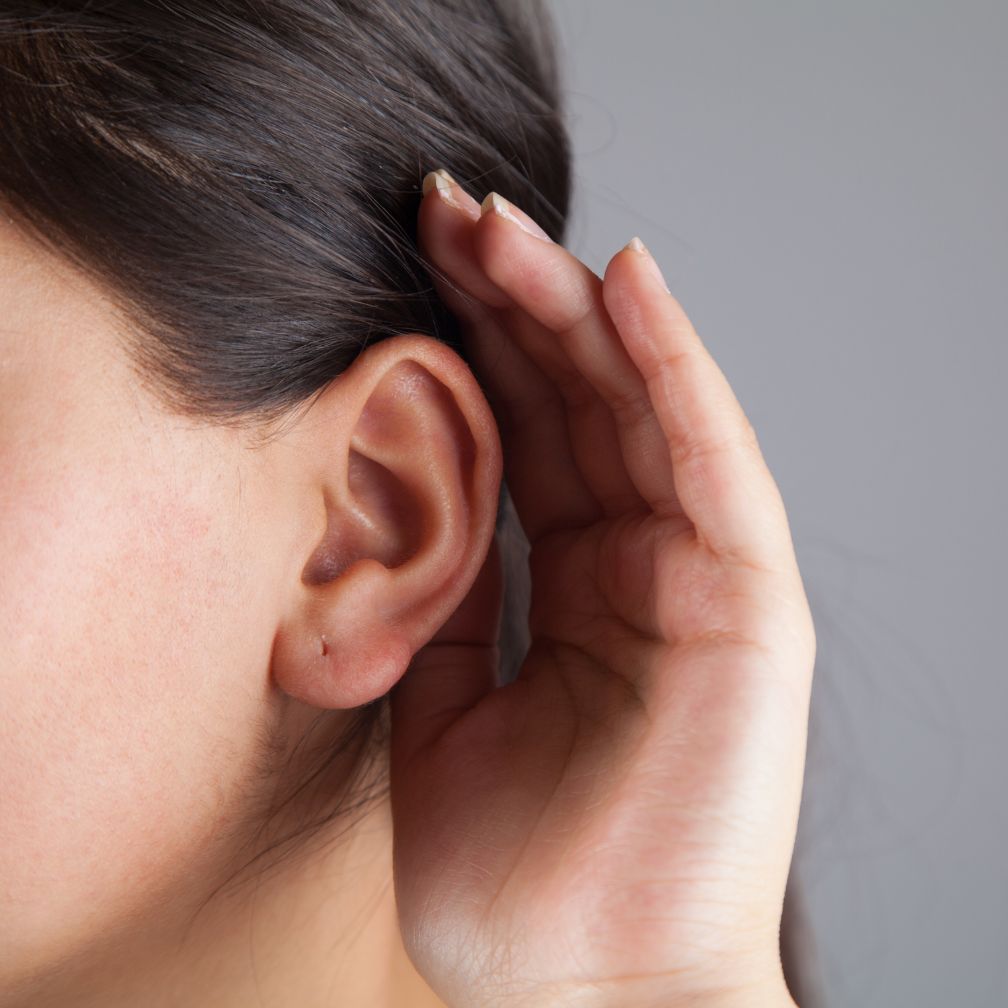
What causes that peculiar, unprompted sound that feels like ambient static or trapped air whispering in your ears? Why is this disruptive acoustic phenomenon completely silent to everyone else? This localized head noise is a genuine physiological event, not a trick of the mind.
Happily, you are likely not suffering from “phantom ring syndrome,” a modern behavioral manifestation where excessive cellular device users falsely perceive incoming calls, vibrations, or alerts.
More than likely, you are experiencing a very common peripheral vestibular and auditory condition known as tinnitus. And yes, what you’re hearing is real, and there are some things that can make tinnitus worse.
Fortunately, this underlying audio threshold rarely blocks your baseline ability to follow spoken dialogue. It merely creates a frustrating sensation where a phantom frequency is constantly layered over every real-world sound.
Let’s analyze the physical mechanisms behind this internal white noise, discover its underlying causes, and outline actionable strategies to suppress or resolve it.
What is tinnitus & why do I hear this white noise in my head?
In the vast majority of medical cases, this persistent internal static is a secondary symptom of sensorineural hearing loss. It manifests as a perpetual or fluctuating sound profile that occupies the foreground of your sensory perception. Based on your specific audiological subtype, the internal static might remain completely unobtrusive throughout your normal routine. Alternatively, you might find yourself battling an intense presentation where the constant roar leaves you feeling completely helpless and desperate for relief.
Chances are, you have struggled to communicate the reality of your symptoms to loved ones, as this invisible impairment is nearly impossible to comprehend without personal experience.
It can feel deeply disorienting to process an intense internal buzz that leaves absolutely no measurable trace in the physical room. Is it a hallucination? How can an invisible sound wave cause such a profound barrier when you are trying to comprehend spoken language from family members? Or utterly destroy your capacity to find peace, unwind, and sleep soundly through the night?
The Quiet Room Trap: How Inactivity Highlights Internal Buzzing
You’ve probably noticed that the quieter it is, the worse your tinnitus gets. That’s because the noise you hear in your ears does not have to compete with any other sounds – for example, most people keep their bedrooms completely silent while they sleep at night. They choose to run no active entertainment devices, omit music, and enforce a strict policy of zero structural sound. Furthermore, being left alone with your internal thoughts allows the unprompted ear static to command your undivided attention, initiating an anxious loop that makes the volume seem significantly louder. Whether your condition presents as a faint hiss or a booming roar, a quiet nocturnal space creates a sensory vacuum that allows tinnitus to fully take control of your mind.
Is that weird sound like wind really tinnitus?
Describing this invisible impairment to a healthy individual is difficult enough, but navigating a conversation with a fellow tinnitus sufferer can introduce further confusion. They might describe a totally different frequency matrix or tonal texture, which easily leads you to conclude that your wind-like sound must be an entirely separate disease.
In reality, the overwhelming clinical likelihood is that you are dealing with standard tinnitus variations. This is due to the reality that tinnitus is a highly polymorphic condition, expressing itself through a vast array of acoustic shapes depending on the individual. Common clinical presentations involve consistently tracking frequencies that mimic:
- A continuous blanket of high-frequency digital static
- A resonant, steady internal humming tone
- Buzzing
- A piercing, high-pitched metallic ringing
- A rhythmic, low-end physical thumping sensation
- The unchanging pitch of a legacy phone line dial tone
In most cases, you’re the only one who can hear the white noise caused by tinnitus. Because of this, a traditional doctor cannot physically audit or hear the frequency to validate your complaint. The practitioner simply has to trust your diagnostic description, as there is no physical signal for them to measure.
Regrettably, this inability to physically verify the sound often causes individuals to feel isolated by a primary care provider who doesn’t specialize in permanent hearing loss.
To illustrate, an industrial steelworker named Thomas shared his story: “The moment that intense ringing initiated, I consulted my family physician. Although the clinician noted that it was likely a case of tinnitus, he didn’t seem to comprehend how destructive the noise was to my focus.’ He spoke about it like it wasn’t really there. He assumed I could easily tune out the static and offered absolutely no management strategies or medical next steps.’
Partnering with a true audiology specialist resolves this sense of isolation, providing you with targeted clinical paths and specialized relief protocols. In many clinical scenarios, the specific tonal characteristics of your internal noise provide vital diagnostic data regarding the most effective intervention path.
Well, it’s really more of a whooshing sound in my ears
Accurately communicating your history is inherently challenging because the disorder utilizes an incredibly vast array of acoustic profiles across different patients. To specify, if you track a distinct whooshing, rushing, or heavy thumping rhythm that locks perfectly in sync with your cardiovascular heartbeat, you are likely presenting with a specialized variant known as pulsatile tinnitus.
Fortunately, pulsatile tinnitus often yields a much higher cure rate than standard subjective tinnitus because it typically originates from identifiable structural health conditions, such as systemic hypertension or localized arterial narrowing.
That whooshing sound can also be brought on by the flow of blood through narrow veins in your head, which is called a bruit. Securing an immediate, thorough diagnostic evaluation for this pattern is vital; in rare instances, this vascular turbulence serves as an early indicator of an impending neurological crisis or ischemic stroke, both of which are life-threatening events.
The Auditory Reality of Pulsatile Symptoms: External Verification Options
Tinnitus is a genuine – and quite annoying – condition. Although regular ringing escapes external tracking, unique objective cases allow an ear specialist to leverage diagnostic listening tubes to physically capture the precise internal sound passing through your tissue. Remember, this external diagnostic confirmation is exclusively possible within vascular profiles, which occur far less frequently than standard subjective ear ringing.
What Triggers the Ringing? Uncovering Your Personal Path of Injury
In most clinical case histories, the principal cause behind this internal static is a history of sustained exposure to hazardous noise levels. It’s very common among musicians and other people who spend a lot of time around loud music, as well as several other professions where workers are exposed to loud noises day in and day out for long periods.
Occupational data highlights several high-risk industries where workers frequently develop severe auditory ringing, including:
- Manufacturing Plant Operations – Being exposed to unshielded mechanical noise for long shifts slowly degrades your internal hair cells over a long career timeline. In addition to the sheer sound exposure, the intense physical pacing of factory labor drives systemic stress, which directly exacerbates the severity of your internal head static. Sufferers who work in proximity to a pneumatic riveter are exposed to one of the worst acoustic offenders in the world, pumping out 125 decibels—loud enough to cause instantaneous hearing destruction and life-long tinnitus.}
- Modern Farming – The primary danger on a homestead isn’t the livestock. While a nearby rooster can hit 90 decibels, the mechanical components of modern farming pose a much greater threat to your long-term hearing health. High-horsepower tractors, massive combines, heavy harvesters, and high-pressure milking pumps all emit continuous, dangerous decibel levels. Furthermore, basic estate upkeep can damage your ears; a standard consumer table saw outputs more than 85 decibels, which actively destroys hearing tissue through prolonged exposure.}
- Pilots and Flight Crew – At a distance of 100 feet, a standard jet engine blasts a punishing 140 decibels directly into the environment. While aviation safety rules require pilots to wear defensive ear protection, operators of light aircraft are positioned inches away from the propulsion source. Traditional headsets cannot completely block out this massive volume of sound pressure, ensuring that a career spent in the cockpit often results in a slow, progressive decline in hearing acuity and secondary tinnitus.}
- Motorcycle Traffic Enforcement – You don’t need a badge to mount a motorcycle, but spending your entire working day atop a roaring engine exposes your ears to a toxic combination of motor exhaust and high-speed wind noise that induces chronic tinnitus. This identical sensory threat applies to operators of industrial snowmobiles and personal watercraft, though such vehicles are rarely part of a standard corporate job unless you work in an exceptionally adventurous field.}
- Hospitality Work – Fulfilling orders in a popular nightclub requires you to constantly separate human speech from an overwhelming background environment. The amplification systems in these establishments are routinely set to hazardous levels, forcing your ears to work in overdrive just to decode a simple sentence over the roar. Should your establishment regularly host live concerts or loud acoustic events, your ears are absorbing the exact same cellular damage that causes hearing loss in professional musicians.}
Across every single one of these vocational examples, the microscopic stereocilia (hair cells) inside your cochlea were physically damaged by prolonged high-decibel exposure. These delicate cellular structures are responsible for converting physical sound vibrations into electrical signals that the brain can decode into meaningful language. The critical issue is that these auditory hair cells cannot replicate or heal once they have been crushed by noise, resulting in lifelong hearing distortions and chronic tinnitus.
What Is Driving the Volume Up? Secondary Tinnitus Accelerators
In addition to primary acoustic trauma, a variety of systemic health issues and lifestyle habits can actively amplify the baseline static in your ears.
- Anxiety and Depression – Both of these emotional conditions establish a highly destructive psychosomatic cycle. As your daily anxiety or depressive symptoms flare up, your internal head static becomes significantly more intense, which naturally causes your mental health to deteriorate further.}
- Not Listening to Your Ears – Your ears become uncomfortable when sound is too loud. Don’t just grin and bear it – take care of your ears, because they’re the only ones you’ve got.}
- Systemic Hypertension – Allowing your blood pressure to remain elevated can actively restrict the critical microvascular oxygen supply reaching your delicate inner ear. This cardiovascular strain not only intensifies the perceived volume of the static instantly, but it also accelerates permanent cellular damage over a long timeline.}
- Smoking – That antsy feeling that you get in between cigarettes can worsen symptoms. While the answer may seem like you should have another cigarette, this is only making it worse the longer you smoke because of the impact smoking has on your cardiovascular system.}
- Nutritional Choices – Certain dietary components, especially concentrated caffeine and chemical sweeteners, can irritate your nervous system and increase ear ringing. Implementing a daily food tracking journal allows you to monitor your chemical intake alongside your tinnitus levels to systematically discover your personal food triggers.}
- Some people – Being around certain people, especially people with a very negative outlook, can make tinnitus worse because it triggers high blood pressure, anxiety, and depression. Consider relationships that may be doing you more harm than good and decide if they’re important enough to risk your hearing and health. Remember, you can’t change other people, but you can choose to be around them less often.}
- Pregnancy – Approximately one-third of women experience localized ear ringing during gestation, a phenomenon routinely triggered by shifting endocrine baselines and increased cardiovascular demands.}
- Deep wax build-up – Earwax pressing on the eardrum can cause odd sounds. Having that wax removed professionally could instantly stop the ringing in some cases.}
- Ototoxic Pharmaceuticals – A wide array of medications, including specific opiates, broad-spectrum antibiotics, loop diuretics, chemotherapy regimens, and even common over-the-counter NSAID painkillers, carry documented ototoxic side effects. It is highly recommended that you consult both an audiologist and your primary physician to thoroughly evaluate your current drug profile for ear risks.}
Overcoming the Static: Proven Therapeutic Approaches for Tinnitus Relief
If your history includes conditions that directly impact your auditory health, coordinate with a healthcare professional. Certain diseases will actively escalate the loudness of your symptoms, with clinical anxiety and high blood pressure being prime examples.
Once any known medical condition has been treated, it’s time to look at other options. Effective clinical avenues for suppressing the noise include:
- Mindfulness Interventions – Incorporating daily meditation, restorative yoga, or alternative somatic relaxation exercises can drastically lower your neuro-chemical stress response. Unfortunately, modern educational systems rarely teach individuals how to self-regulate stress naturally without resorting to chemical substances. Despite this gap, thousands of patients actively pursue these holistic habits because clinical data confirms they successfully lower tinnitus awareness.}
- Ambient Sound Conditioning – Implementing a bedside white noise generator can supply immediate comfort when you are trying to fall asleep. It is critically important that you never attempt to blast past the internal hum using tight headphones or loud music blocks. Doing so will only inflict further trauma on your stereocilia, driving up the baseline volume of your tinnitus over the long term.}
- Advanced Sound-Conditioning Hearing Aids – Modern digital hearing instruments can be specifically calibrated to neutralize your phantom frequencies. Current audiological devices feature sophisticated, integrated tinnitus mitigation algorithms as a standard option. During your personalized fitting session, an expert can program the device to emit an individualized counter-frequency that effectively cancels your specific ringing tone.}
- Habituation Therapy – This specialized audiological protocol utilizes sound therapy to systematically retrain your central nervous system to ignore the internal static. An experienced clinician will introduce a carefully calibrated audio signal into your canal that mimics your subjective tinnitus frequency. Over time, this targeted exposure teaches your cognitive filters to view the noise as meaningless background data, allowing you to focus effortlessly on external speech.}
- Cognitive Behavioral Therapy (CBT). This is a technique used by mental health professionals to undo harmful habits. If you obsess about negative news or life events you can’t control, CBT can help. It will retrain you to focus on the positive and where you do have the power to change things. This helps reduce stress.}
Can Ambient Static Completely Eliminate Chronic Ear Ringing?
You might wonder if the concept of fighting fire with fire applies to your ears, specifically using physical white noise to fight phantom white noise. A major clinical trial recently conducted in the United Kingdom revealed that while ambient acoustic masking provides substantial relief to sufferers, it must be combined with comprehensive behavioral therapies to deliver long-term results.
The honest clinical reality is that a permanent cure for this condition has not been discovered, meaning our medical goals focus on deploying specialized treatments to help you control and cope with the condition.
Faced with these options, what is the most logical next step for a patient seeking relief? The single most critical action you can take right now is to schedule a comprehensive, professional diagnostic audiogram. An evaluation will provide clear data showing how severely the background hum is compromising your ability to follow along when family members speak. Once your baseline numbers are established, you can safely evaluate cutting-edge therapeutic protocols with a team of trusted local experts.
Audio Illusions: Explaining Phantom Melodies and Speech in Background Noise
If you are perceiving distinct melodies or spoken words within raw static, you are likely dealing with a phenomenon separate from standard tinnitus. And don’t worry, it’s probably not a form of schizophrenia or other psychiatric condition either. Statistically, you are simply experiencing a well-documented neurological effect called Musical Ear Syndrome, pattern-seeking apophenia, or acoustic pareidolia. Your brain’s processing centers are incredibly advanced at pattern recognition, frequently attempting to organize chaotic background sound waves into meaningful signals. When exposed to a flat wall of static, your mind can miscalculate the input and overlay an expected acoustic memory onto the noise. For example, pareidolia is when you interpret those meaningless noises into something you’ve heard before, such as music. However, if you are tracking rich, complex melodies in a room that features absolute, total silence, you may be experiencing a specialized musical hallucination.