
Enduring sudden room-spinning sensations when reclining, rolling over, or sitting up can trigger anxiety, especially if the episode starts abruptly. Our specialists conduct thorough dizziness and equilibrium evaluations to diagnose benign paroxysmal positional vertigo (BPPV) and related inner ear disorders. Dedicated specialists explain the underlying physiology of positional vertigo while implementing customized canalith repositioning treatments to alleviate symptoms.
Defining BPPV and Its Clinical Characteristics
Classified as a mechanical inner ear pathology, benign paroxysmal positional vertigo frequently disrupts normal spatial balance. The medical classification reveals its nature: “benign” denotes a non-dangerous etiology, “paroxysmal” describes transient episodic flares, and “positional” links episodes directly to head motion. Vertigo is the false sensation that you or your surroundings are spinning or moving.
While primary BPPV spinning sensations typically subside in under sixty seconds, secondary nausea and lingering unsteadiness can persist longer. Frequently documented movement triggers include:
- Shifting from an upright posture to lying flat in bed
- Shifting your body from one side to the opposite side
- Tilting the head back to gaze upward or bending over toward the floor
- Tipping your head backward or angling it off-center
Benign paroxysmal positional vertigo occurs in younger adults, yet diagnosis rates climb substantially in senior populations. While readily resolved through canalith procedures, acute balance loss during an episode increases the risk of traumatic falls.
Why Inner Ear Crystals Trigger BPPV Dizziness
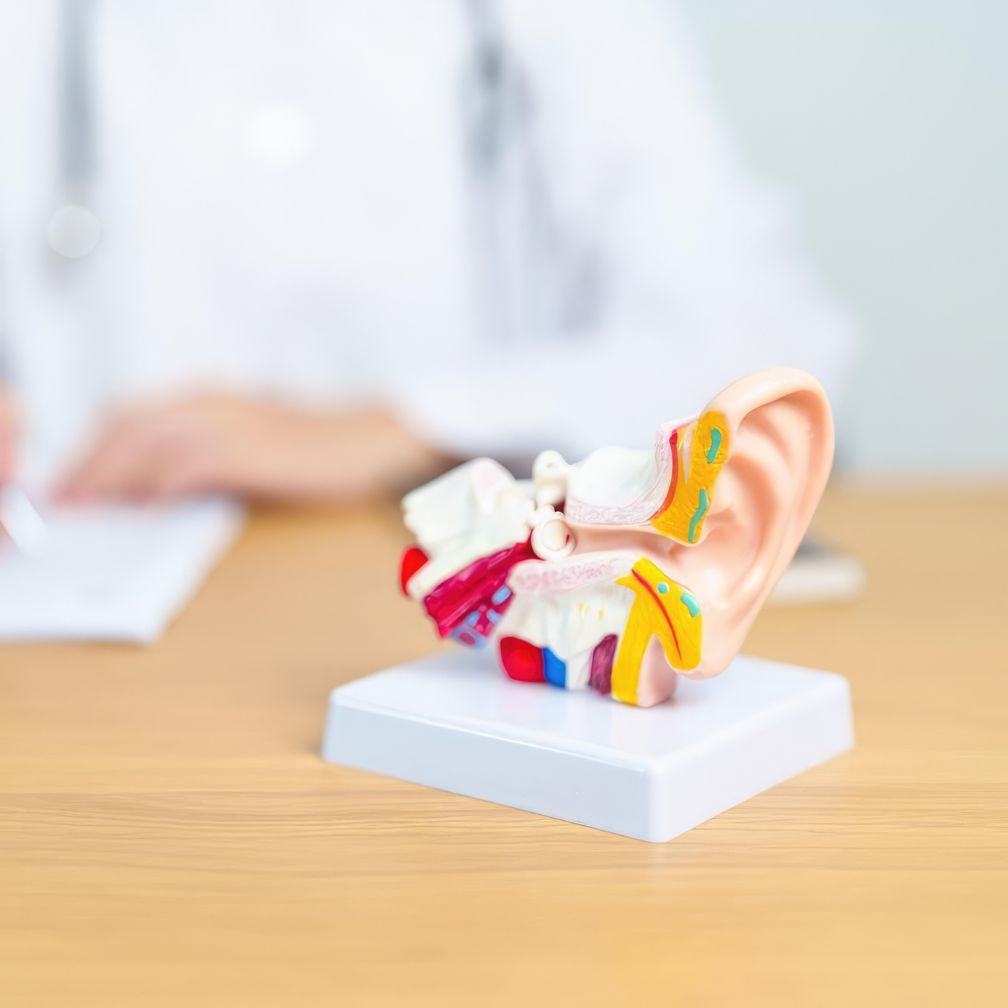
Inside the sensory organs of the inner ear sit minute calcium carbonate particles designated as otoconia. Standardly situated within the utricular macula, these particles provide sensory feedback on linear acceleration and head orientation relative to gravity. BPPV is triggered when detached particles enter the fluid channels of the semicircular canals, which normally detect rotational turning movements.
As head orientation changes, migrating otoconia push through the canal, generating abnormal fluid movement against internal nerve sensors. The stimulated nerve endings send a rapid motion signal to the central nervous system that directly contradicts information gathered by your eyes and unaffected ear. This central neurological conflict triggers acute vertigo and elicits characteristic involuntary, rhythmic eye oscillations known as nystagmus.
When to Consult an Audiologist or Physician for Positional Vertigo
Arrange an audiological assessment with us if sudden spinning sensations occur repeatedly, interfere with daily routines, or threaten physical stability. While positional symptoms frequently point toward BPPV, generalized dizziness can originate from diverse medical, cardiovascular, or inner ear conditions. By conducting precise vestibular testing, we will evaluate your diagnostic presentation to rule out competing pathologies requiring alternate medical therapies.
During the evaluation, we review the exact onset of vertigo, duration of attacks, accompanying sensations, current medications, recent illnesses, and previous head impacts. Vestibular experts perform targeted assessments, including the Dix-Hallpike maneuver, while carefully recording nystagmus direction and symptom latency.
Obtain urgent medical care without delay if your dizziness presents alongside:
- A new, severe headache
- Sudden visual disturbances, blurring, or double vision
- Acute extremity weakness, physical numbness, or dysarthria (speech difficulty)
- Syncope (fainting), acute collapse, or marked ataxia (inability to walk normally)
- Acute sensorineural hearing loss developing abruptly
- Uncontrolled, continuous vomiting or acute, debilitating physical distress
Such atypical signs do not align with uncomplicated BPPV and may point toward serious central nervous system pathology.
Therapeutic Interventions: Resolving BPPV
The premier clinical intervention for BPPV involves non-invasive canalith repositioning maneuvers. Also called the Epley maneuver, this procedure is frequently used for the most common form of BPPV, which affects the posterior semicircular canal. In the treatment room, we direct you through a series of specialized diagnostic and corrective positional movements. Gravity helps move the loose particles out of the affected canal and toward an area where they no longer produce false movement signals.
The correct maneuver depends on which ear and canal are involved. Some patients improve after one appointment, while others need additional repositioning sessions. Targeted vestibular therapy protocols assist patients dealing with persistent post-BPPV imbalance, visual-motion discomfort, or mobility anxiety.
Understanding BPPV Recurrence Rates
Although clinical repositioning effectively eliminates active vertigo, it cannot physically prevent otoconia from detaching in the future. Long-term tracking reveals that approximately 50 percent of individuals with previous BPPV will experience a secondary occurrence. Subsequent episodes have the potential to impact the same ear, the contralateral side, or a different semicircular canal pathway.
Following clinical confirmation of a recurrence, repeating the targeted repositioning maneuver typically provides rapid symptom relief. In appropriate circumstances, patients can perform prescribed home maneuvers, provided we confirm the involved canal and demonstrate the exact movements.
Preventive Steps and Safety Protocols for BPPV
A definitive prevention method for BPPV remains elusive, as numerous cases emerge idiopathically without an identifiable primary trigger. We encourage patients to focus on safety, follow-up, and health factors that may be addressed.
Helpful steps may include:
- Wear certified protective headgear during sports or recreational activities associated with head-impact hazards.
- Enhance household safety by removing obstacles and stabilizing walkways, particularly during active vertigo episodes.
- Adhere carefully to all customized post-treatment guidance provided after your clinical repositioning maneuver.
- Return to routine physical movement and daily activities as clinically recommended to avoid secondary deconditioning.
- Speak with your medical team about recurrent balance attacks, chronic migraines, osteoporosis, or vitamin D status.
- Familiarize yourself with early symptom indicators and the designated home exercise prescribed for your specific BPPV variant.
Vitamin D or calcium supplements are not appropriate for everyone. We can determine whether testing or supplementation is medically suitable. Fast clinical intervention upon recurrence minimizes physical injury risks and restores functional independence rapidly.
Contact us for a BPPV Assessment
If lying down or changing head position makes the room spin, an evaluation can help clarify why. During a consultation, we will review your symptoms, health history, medications, hearing or balance changes, and personal concerns before recommending appropriate testing. This exam confirms whether your condition aligns with BPPV, identifies the exact ear and semicircular canal responsible, and indicates whether repositioning therapy is suitable. Contact the team to schedule your visit and take positive action toward resolving dizziness.